Compare Local Contractors for Conduit Installation Success
Compare local contractors for conduit installation to define project scope, verify experience, and establish clear expectations in writing for a successful outcome.
Conduit installation services typically involve setting up protective tubing or piping systems that house electrical wiring, telecommunications cables, or other types of conductors throughout a property. This work often includes planning the routing of conduits to ensure they follow building codes and safety standards, as well as installing the conduits securely within walls, floors, or underground. Proper conduit installation helps safeguard wiring from damage, facilitates future upgrades or repairs, and ensures that systems remain organized and accessible for maintenance.
Defining the scope of conduit installation work is an important step that impacts the overall success of the project. Clear communication about the specific areas where conduits are needed, the types of conduits to be used, and any special requirements helps prevent misunderstandings and scope creep. Property owners should work with service providers to establish detailed plans and expectations in writing, including the extent of the installation, the materials to be used, and any necessary preparatory work. This clarity supports a smoother process and helps ensure that the finished work aligns with the property's needs.
When comparing local contractors for conduit installation, property owners should focus on verifying the experience and expertise of each service provider. It’s helpful to ask about their previous projects, especially those similar in scope or complexity, and to seek references or examples of completed work. Additionally, reviewing written proposals or scope documents can provide insight into how thoroughly a contractor understands the requirements and how clearly they communicate their approach. By assessing these factors, property owners can make more informed decisions and select a contractor capable of delivering reliable, quality conduit installation services tailored to their property’s specifications.
Compare local contractors by outlining your project priorities, verifying experience, and setting clear expectations in writing.
- Compare Contractors - review multiple service providers to find those best suited for conduit installation projects.
- Define Project Scope - clearly outline the work requirements to ensure all parties understand the job details.
- Verify Experience - assess the background and expertise of local contractors to match project needs.
- Document Expectations - put all agreed-upon details in writing to establish clear project parameters.
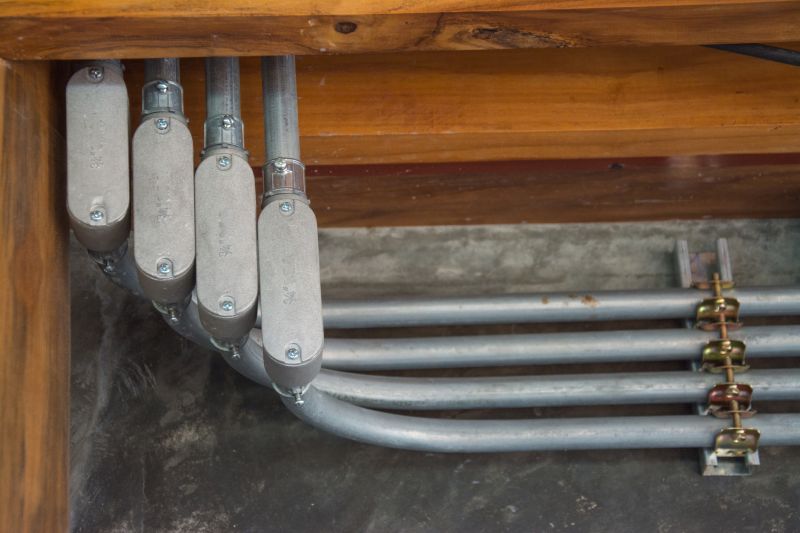
Before comparing contractors for conduit installation, clearly describe your project scope and verify their experience and written expectations.
- Verify that the contractor understands the scope of conduit installation required for the project. - Clear communication about project details helps ensure accurate service delivery.
- Check that the service providers have experience with conduit types and installation methods relevant to the job. - Experience with specific conduit systems can impact the quality and longevity of the installation.
- Ensure that the contractor plans the conduit layout to meet code requirements and accessibility needs. - Proper planning helps prevent future issues and facilitates maintenance or upgrades.
- Confirm that the scope of work, materials, and responsibilities are documented in writing before work begins. - Written agreements help set clear expectations and reduce misunderstandings.
- Assess the contractor’s ability to coordinate with other trades involved in the project for seamless integration. - Good coordination ensures the conduit installation aligns with overall project progress.
- Review the contractor’s safety practices and adherence to industry standards during conduit installation. - Safe and compliant work practices contribute to a successful project outcome.
Compare local contractors, verify their experience, and clearly define scope to set expectations effectively.
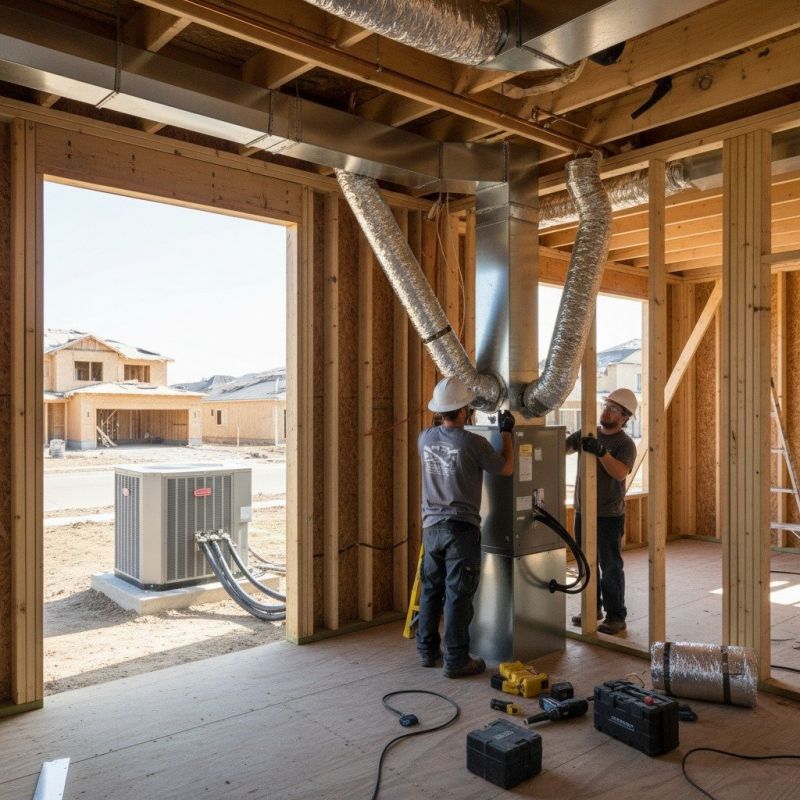
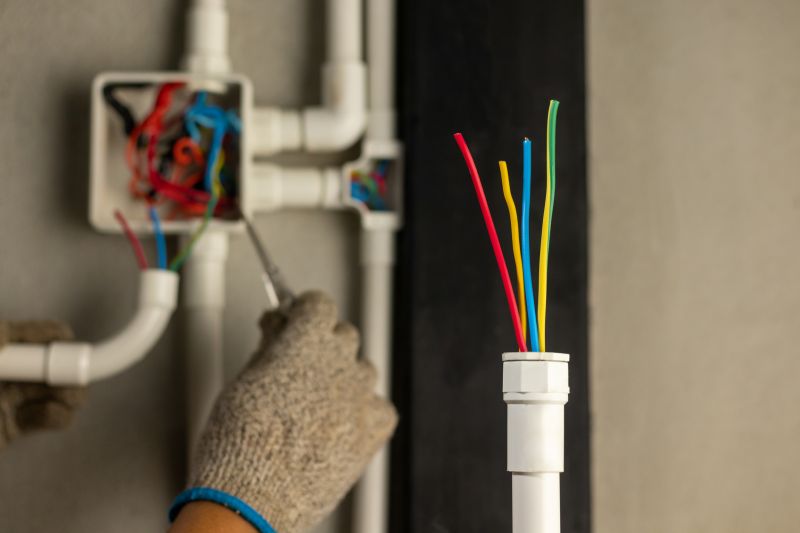
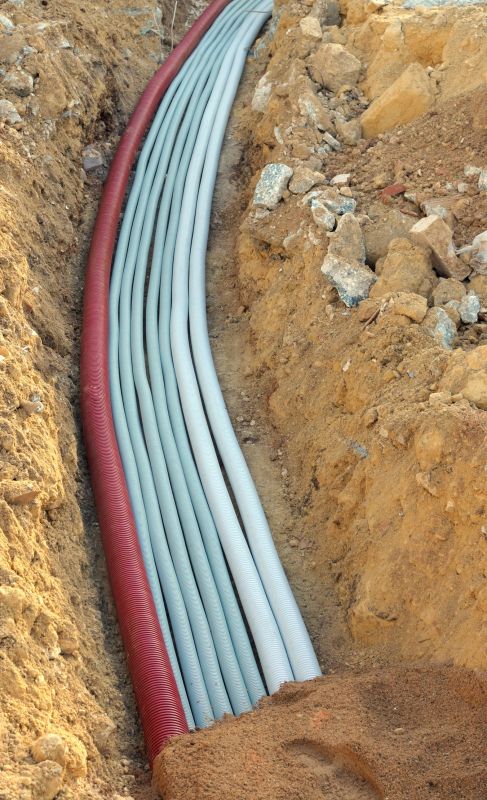
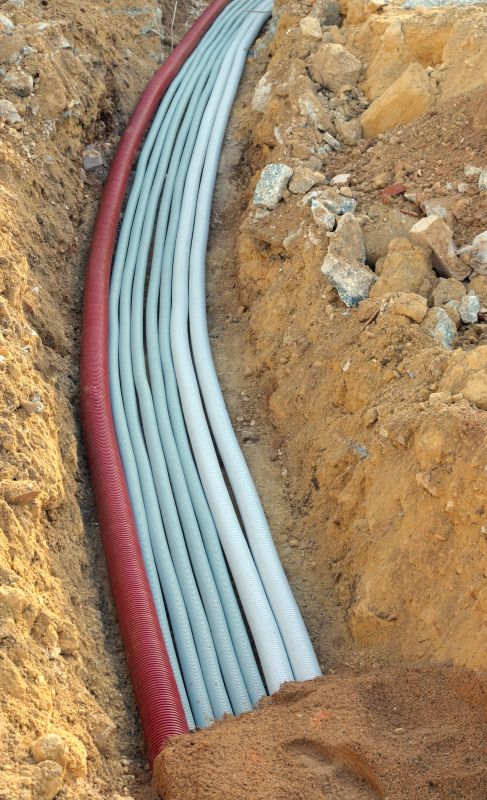
Use consistent comparison criteria to assess local contractors' scope, experience, and written expectations for conduit installation.
- Scope Definition - Clearly outline the extent of conduit installation work required for the project.
- Experience Verification - Confirm that service providers have relevant experience with conduit installation in similar settings.
- Material Specifications - Specify the types, sizes, and quality standards of conduit materials to be used.
- Installation Standards - Define the required installation practices and compliance expectations for conduit placement.
- Documentation and Agreements - Ensure all scope details and expectations are documented and agreed upon in writing before work begins.
When comparing contractors for conduit installation, it’s important to consider their experience with similar projects. Homeowners should inquire about the types of conduit systems the service providers have installed in the past, paying attention to projects that resemble the scope and complexity of the current job. Contractors with a proven track record in conduit installation for residential or commercial properties are more likely to understand the nuances of the work and handle unexpected challenges effectively. Verifying their familiarity with different conduit materials, installation techniques, and building codes can help ensure the selected service providers are well-equipped to meet the specific needs of the project.
A clear, written scope of work is essential when evaluating conduit installation contractors. Homeowners should seek detailed descriptions of what the project will entail, including the number of conduits to be installed, the locations, and any preparatory or finishing work involved. Having this information documented helps establish mutual understanding and sets expectations for the work to be performed. It also provides a reference point to prevent misunderstandings or scope creep later in the project. Contractors who can articulate a comprehensive scope in writing demonstrate professionalism and a thorough grasp of the task at hand.
Verification basics involve assessing a contractor’s background and credentials related to conduit installation. Homeowners should look for service providers who can provide references or examples of completed projects similar in scope. Confirming that the contractor has the necessary experience and a solid reputation in the community can reduce the risk of issues during installation. Additionally, understanding the contractor’s process for quality assurance and their approach to handling unforeseen complications can provide confidence in their ability to deliver reliable results.
Evaluating options without focusing on prices involves examining how each contractor plans to approach the project and how well they communicate their process. Homeowners can compare the clarity of scope, the professionalism of proposals, and the thoroughness of project descriptions. It’s also helpful to consider how each service provider proposes to verify work quality and ensure the installation meets project requirements. By focusing on experience, scope clarity, and verification methods, homeowners can make informed decisions that align with their project goals and ensure a smooth conduit installation process.
Ask contractors to provide written scope details to ensure clear understanding and consistent project expectations.
- Experience and Qualifications - What specific experience do local contractors have with conduit installation projects similar to yours?
- Scope of Work - How do local service providers define the scope of conduit installation to ensure all necessary tasks are included?
- Materials and Methods - What materials and installation methods do local contractors plan to use, and how do they compare?
- Project Expectations - How do local service providers clarify project expectations and deliverables in writing?
- Comparison Criteria - What key factors should be used to compare different local contractors beyond pricing and timelines?
What should I consider when choosing a contractor for conduit installation? It's important to evaluate the contractor's experience with conduit systems, verify their work history, and ensure they can clearly define the scope of work in writing to meet project needs.
How can I compare different contractors for conduit installation? Comparing contractors involves reviewing their qualifications, requesting detailed written proposals, and checking references to assess their expertise and reliability in conduit projects.
Why is it important to define the scope of conduit installation in writing? Having a detailed written scope helps prevent misunderstandings, ensures all parties agree on the work to be performed, and provides a clear basis for project expectations.
What questions should I ask contractors about their conduit installation experience? Ask about their previous projects, the types of conduit systems they have installed, and their familiarity with relevant codes and standards.
How do I verify a contractor's experience with conduit installation? Request information on past projects, seek references from previous clients, and review any available documentation of their work to confirm their expertise.
What is the best way to ensure a contractor understands my conduit installation needs? Clearly communicate your project requirements, ask for a detailed written proposal, and confirm that the scope aligns with your expectations before work begins.
Contractors for conduit installation offer a range of expertise to help define the scope of your project, verify experience, and set clear expectations in writing. By comparing local service providers, you can find the right contractor to meet your specific needs and ensure the work aligns with your requirements. Taking the time to review options and gather detailed information will support a smooth and successful installation process.
Use the quote form to explore and compare local contractors who specialize in conduit installation. Gathering multiple options allows for an informed decision based on experience, scope, and professionalism. Connecting with qualified service providers can help you find the right fit for your project’s unique demands.